Eva Meijer
Eva Meijer (b. 1980) is a writer and philosopher. Their extensive oeuvre, which includes the international bestselling novel 'Bird Cottage' (2016), is much praised in the international media. Meijer received the Erasmus Dissertation prize for 'The Soldier Was A Dolpin: On Political Animals' (2017) and went on to garner the Halewijn prize for their literary oeuvre, and the Hypatia philosophy prize. Their work frequently addresses language and politics in the animal world. Meijer currently works as a postdoctoral researcher at the University of Amsterdam, writes essays and columns for Dutch newspapers and is a member of the Multispecies Collective.

Her debut novel, Het schuwste dier (2011, The Shyest Animal), was warmly received, as was her second novel Dagpauwoog (2013, Adventures in Animal Activism). She went on to study animal communication, publishing her findings in Animal Languages, which was translated into twelve languages. Rights to her novel The Bird Cottage were sold in seven different territories and it was awarded the BNG Bank Literature Prize. For her doctoral thesis in philosophy, Political Animal Voices, Meijer received the Praemium Erasmianum Dissertation Prize. Her newest work of fiction A word for is a bestseller in the Netherlands that explores the loss of language.
More Eva Meijer
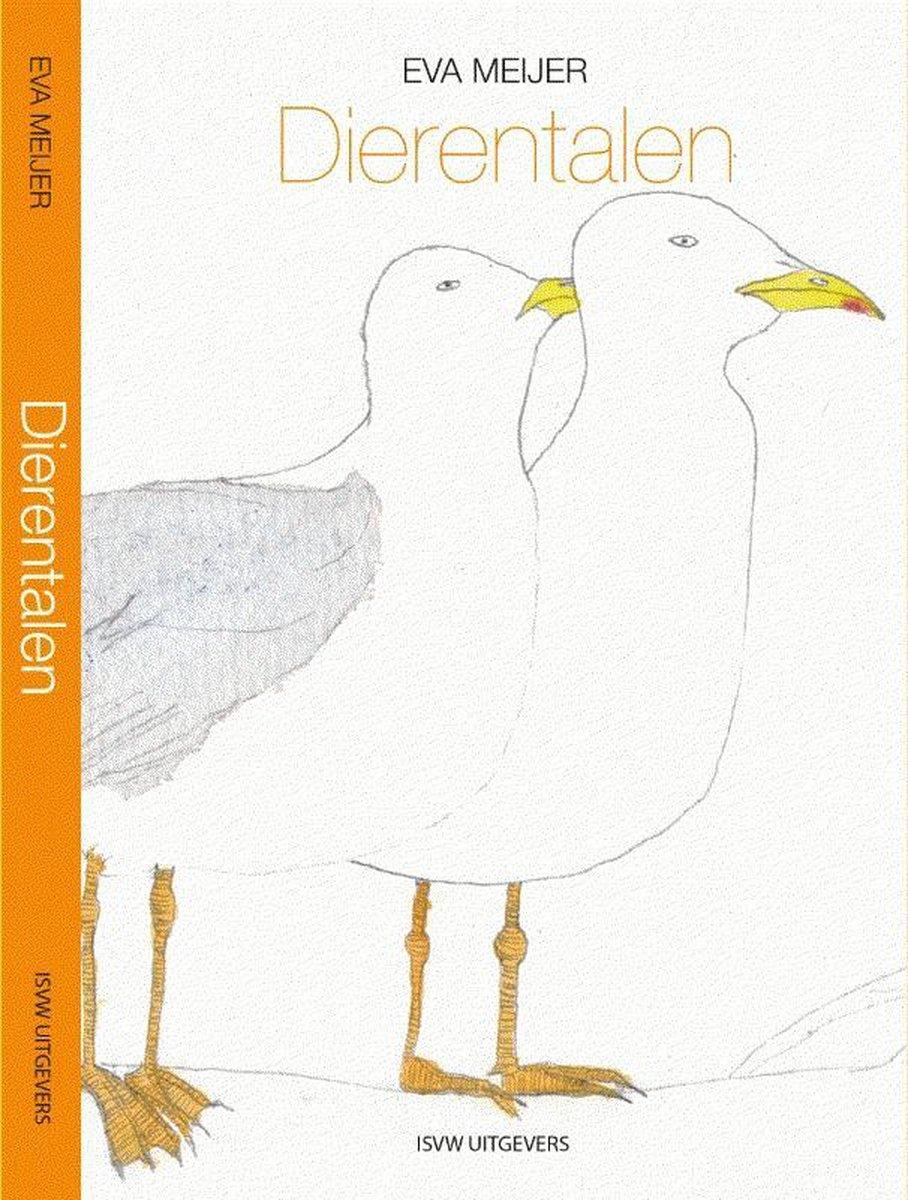
Animal Languages
Animals use far more elaborate and complex language than we think. They chat, gossip, mourn, rhyme, speak in dialects and make jokes. Whales sing a different series of songs each season, which rhyme and are picked up by other whales in passing, making them ‘hits’. Some species of bird have dialects that differ from one region to the next, and the birds that live on the regional boundaries are bilingual.
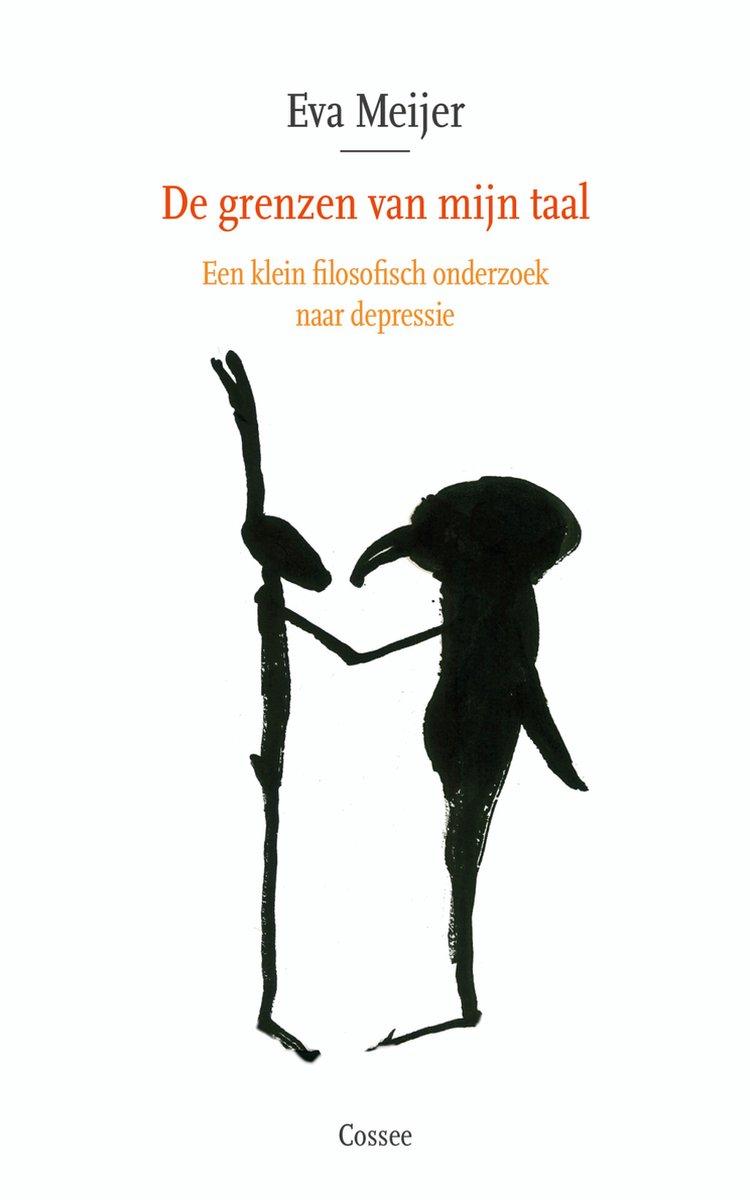
The Limits of My Language
Much has been written about the treatment of depression, less about its meaning. Depression is more than just a problem of brain chemistry, the questions posed by the depressed person are fundamental. In 'The Limits of My Language', author and philosopher Eva Meijer uses her own experiences as raw material to map the phenomenon. Calling on philosophers like Wittgenstein, Derrida and Foucault, she delves into what they each have to say about communication, loneliness and insanity.

Forward
Two communes — one in Central France in the 1920s and the other in the Netherlands today. Despite the century between them, the ideals on which they were founded and the obstacles they face are not substantially different. In both cases, the individual members struggle to submit themselves to the collective.

A Word For
A philosophical and literary exploration of what would happen if a country's language suddenly began to disappear